- Spinal cord injuries: trauma from hyperextension, hyperfleon, aal compression, lateral fleon, or shearing of the spine.
- Types:
- C-l and C-2 injury level
- resulting deficit:
- Phrenic nerve involvement.
- Diaphragmatic paralysis.
- Respiratory difficulties (require permanent ventilatory support).
- Possible quadriplegic.
- Possible death.
- C-4 through T-l injury level
- resulting deficit: possible quadriplegic.
- Thoracic-lumbar injury level
- resulting
deficit: possible paraplegic.
- Pathophysiology: trauma —> vertebral dislocation or fractures —>cord trauma, compression, or severance of the cord.
- Risk factors:
- Motor vehicle accidents.
- Diving, surfing, contact sports.
- Falls.
- Gunshot wounds.
- Assessment:
- Subjective data:
- Pain at the level of injury.
- Numbness/weakness, loss of sensation below level of injury.
- Psychological distress related to severity of injury and its effects.
- Objective data:
- Symptoms depend on extent of injury to spinal cord/spinal nerves.
- Paralysis: motor, sphincter.
- Initially a period of
flaccid paralysis
and loss of reflexes, called
spinal
or
neural shock.
- Incomplete injuries
may lead to loss of voluntary movement and sensory deficits below injury level (symptoms vary depending on injury).
- Complete injury
leads to loss of function and all voluntary movement below level of injury.
- Respiratory distress.
- Alterations in temperature control.
- Alterations in bowel and bladder function.
- Involved muscles become spastic and hyperreflec within days or weeks.
- Analysis/nursing diagnosis:
- Ineffective breathing pattern
related to highlevel injury.
- Impaired physical mobility
related to injuries affecting lower limbs.
- Fear
related to uncertain future health status.
- Anety
related to loss of control over own activities of daily living.
- Bathing/hygiene self-care deficit
related to injuries above T-l.
- Impaired home maintenance management
related to possible quadriplegia and paraplegia.
- Risk for altered body temperature
related to absence of sweating below level of injury.
- Risk for injury
related to equipment necessary for daily activities.
- Tactile sensory/perceptual alterations
related to injury level.
- Body image disturbance
related to permanent change in physical status.
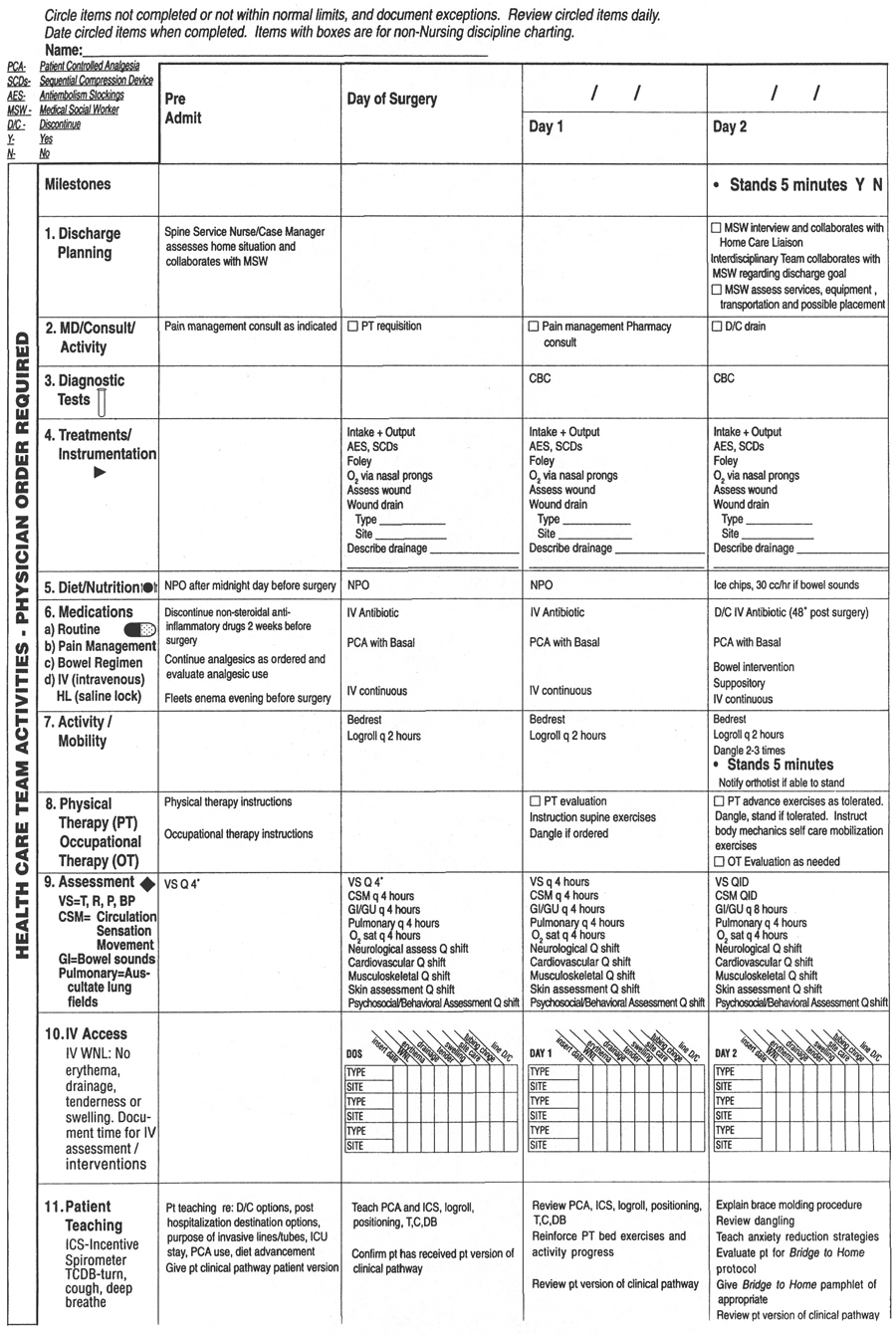
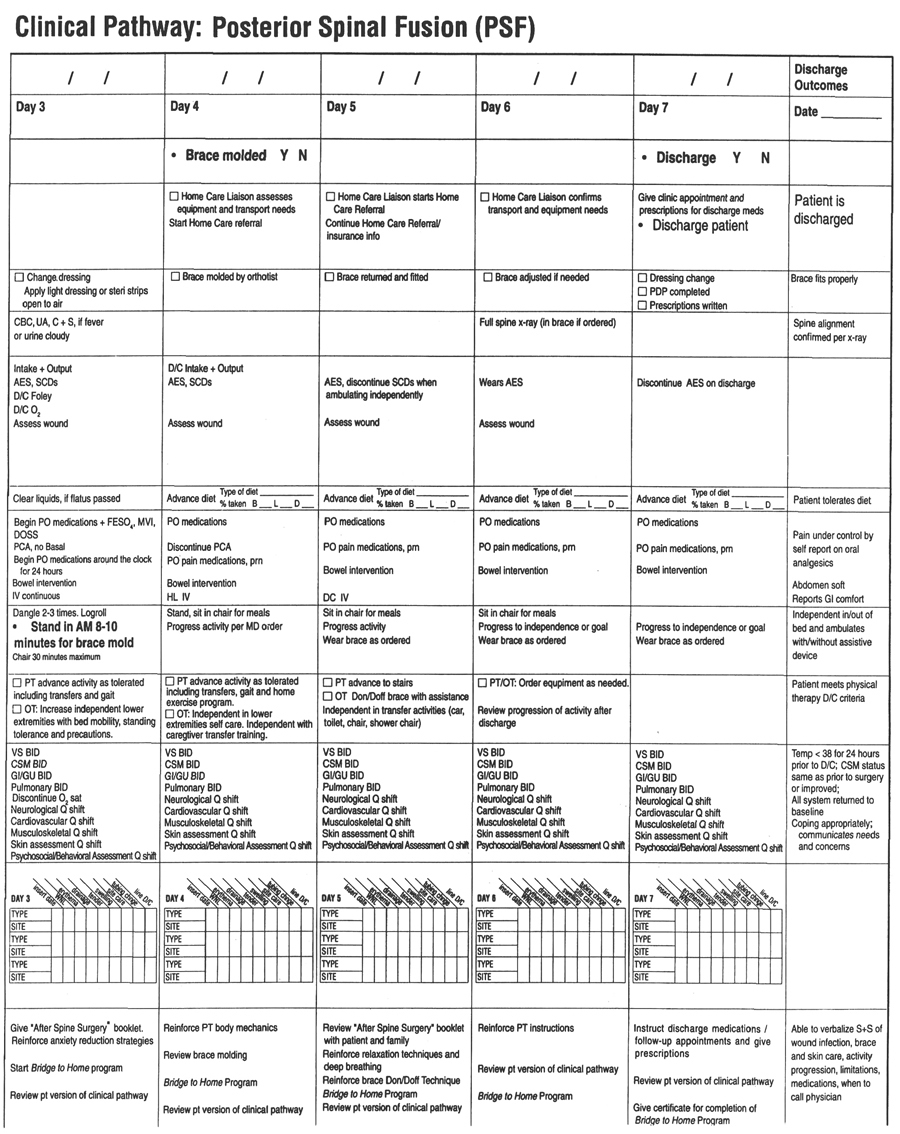
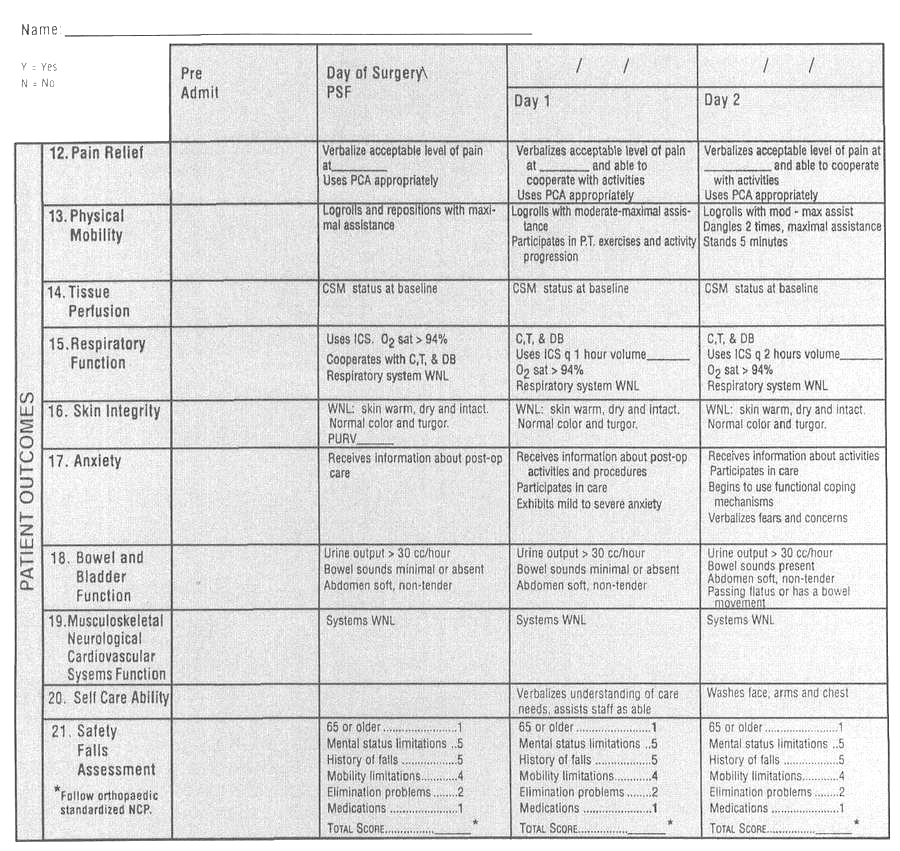
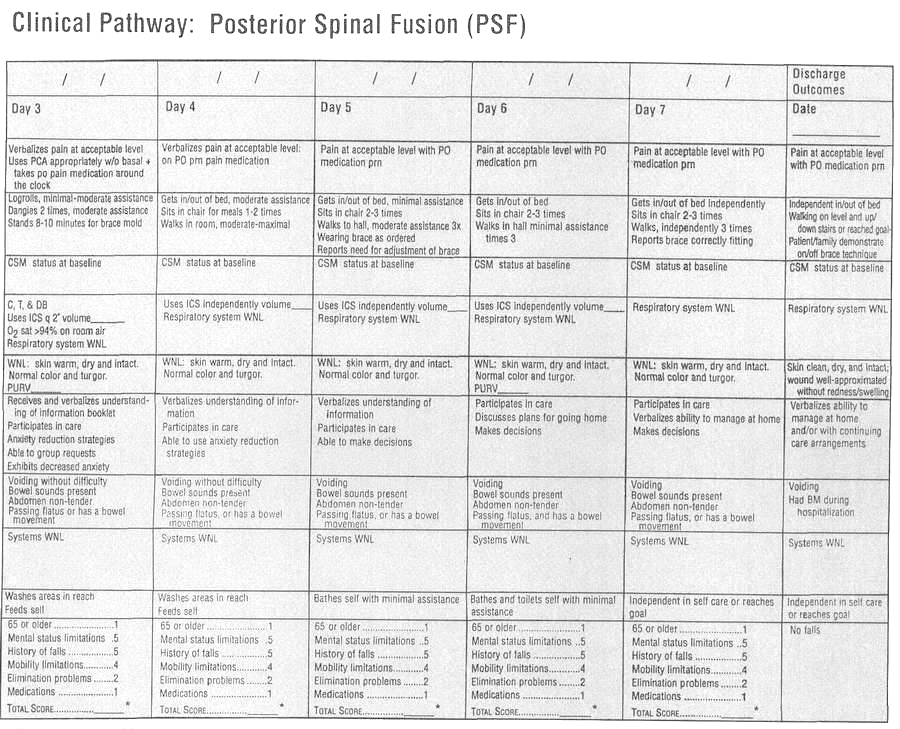
- Nursing care plan/implementation:
- Goal:
maintain patent airway.
- Suction, cough, tracheostomy care, prn.
- Oxygen, ventilator care.
- Monitor blood gas levels.
- Goal: prevent further damage.
- Immobilize spine.
- Firm mattress, Stryker frame, Foster frame, CircO-electric bed, traction, braces.
- Skeletal traction via tongs: Crutchfield, Gardner-Wells.
- Halo traction.
- Goal: relieve edema: anti-inflammatory medications, corticosteroids.
- Goal: relieve discomfort: analgesics, sedatives, muscle relaxants.
- Goal: promote comfort:
- Maintain fluid intake: PO/IV, I&O.
- Increase nutritional intake
- Prevent contractures and decubiti.
- Assist patient to deal with psychosocial issues, e.g., role changes.
- Begin rehabilitation plan.
- Goal: prevent complications.
- Monitor for spinal shock during initial phase of injury.
- Monitor for hyperreflexia with severed spinal cord injuries.
- Goal: health teaching.
- Self-care techniques for highest level of independence; include significant others in teaching.
- How to use ambulation assistive devices (battery-operated wheelchair controlled by mouthpiece or hand controls, depending on level of paralysis).
- Identify community resources for followup care and career counseling.
- Signs and symptoms of autonomic hyperreflexia .
- Methods to prevent skin breakdown, infections of respiratory, urinary tract.
-
Bowel, bladder program.
- Evaluation/outcome criteria:
- Complications avoide
- Accomplishes self-care to greatest level for injury.
- Participates in rehabilitation plan.
- Grieves over loss and begins to integrate self into society.